Facebook
Are you ready for your PhD defense? Check out the posts in 1 minute Pass the testCheck
Official Agreement50/50 Payment PlanPublication guarantee
ServicesArticle in ScopusArticle in KOKSNVOArticle in Web of ScienceRevising a Finished ArticleDissertationAll Services →
Co-authorship CalculatorPhD Cases
Useful InformationCalculatorPhDScopus Journal ReviewAudit of the COKSNVO LogBlogWebinars
About UsAbout the companyGuarantees and conditionsReviewsMedia about usContacts
+7 771 332 75 32
WhatsApp📞 Call

Percentiles and Quartiles in Scopus: The Truth and Facts!

Article
Category: -
Date: 26.07.2024

Scopus journals are divided into four quartiles, and now you'll learn how to determine a journal's current quartile and percentile. In Kazakhstan, publishing in journals with percentiles of at least 35%, which corresponds to the third quartile, is highly significant for scientists.

Definition of Quartile and Percentile

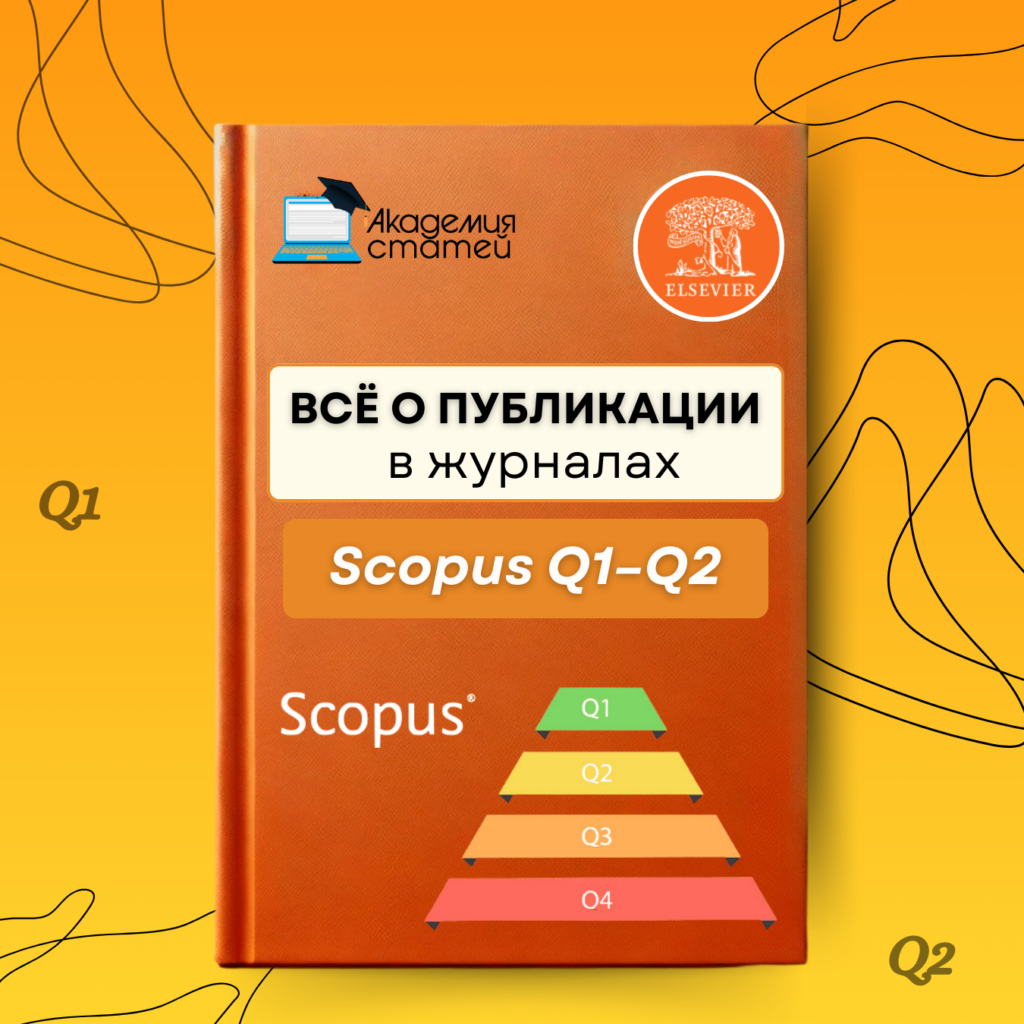
A journal's quartile in Scopus depends on its percentile. Let's look at how these indicators are distributed:

ℹ️ Q1 (First Quartile)

Percentile: 75-100% This is the highest indicator, which includes the most authoritative foreign journals.

ℹ️ Q2 (Second Quartile)

Percentile: 50-74% These journals are also elite and authoritative, but are inferior in importance to Q1.

ℹ️ Q3 (Third Quartile)

Percentile: 25-49% The golden mean, which includes well-known journals.

ℹ️ Q4 (Fourth Quartile)

Percentile: 1-24% The lowest quartile, but still giving a scientist a chance to make a name for themselves in the authoritative scientific publication Scopus.

When is percentile not calculated?

Percentile in Scopus is not calculated in the following cases:


📍 When the journal was indexed in Scopus less than 3 years ago, since there is not yet enough data for the calculation.


📍 When the journal was removed from Scopus.


In all other cases, the percentile can be calculated without any problems.

DO YOU NEED A GUARANTEED PUBLICATION IN SCOPUS OR WEB OF SCIENCE?

Academy of Articles I'm ready to help - follow the link link and leave a request on the website.

Dependence of percentile on the field of knowledge:

Percentiles can vary significantly across different fields of knowledge. For example, in economics, where many journals are indexed in Scopus, competition is high, and even with a CiteScore of 1, the percentile can be as low as 19th, which corresponds to the fourth quartile. Meanwhile, in philosophy, the same CiteScore of 1 can correspond to the 78th percentile and the first quartile.


Why is understanding percentiles and quartiles important?

For professionals with a PhD or academic degree, it's important to understand the information described in this article to effectively use Scopus. Scientists often assume that journals ranked in the first or second quartile publish high-quality articles. However, percentile and quartile rankings depend on two factors: the number of articles and the number of citations. A journal may publish a small number of low-quality articles, but if they are highly cited, the journal will have a high quartile and percentile ranking.

Where can I check a journal's actual quartile in Scopus?

Dear scientists, Many of you often make the mistake of checking a journal's current quartile using the Scimago service— https://www.scimagojr.com/


Scimago displays journal information for the previous year. Let's take a journal that, according to Scimagojr, was ranked in the 3rd quartile in 2023. 


And the information on the Scopus website shows that he is in the 60th percentile, which is equal to the 2nd quartile, in 2024. 


Therefore, always refer to the current journal percentile, and not to the information from the Scimagojr website.


Conclusion:

Understanding the mechanisms behind percentile and quartile determination allows you to effectively use the Scopus database. The Academy of Articles offers consultations and assistance in writing and publishing scientific articles in Scopus.

May your scientific achievements always be reflected in highly ranked journals!


We offer:


🔸 Customized turnkey article writing in Scopus/WoS


🔸 Individual writing of Category B articles


🔸 Co-authorship in Category B/WoS/Scopus articles - you can find all topics for co-authorship in our co-authorship directory

Don't miss anything important!
Subscribe to our newsletter to stay one step ahead in the scientific world.


    Not sure where to start?

    Describe your goal and deadline—we'll suggest a journal and publication format. The consultation is free.

    AI assistant Qalam
    Leo